Jewellery craft · 2026-09-17
Where to buy silver for jewellery making in France
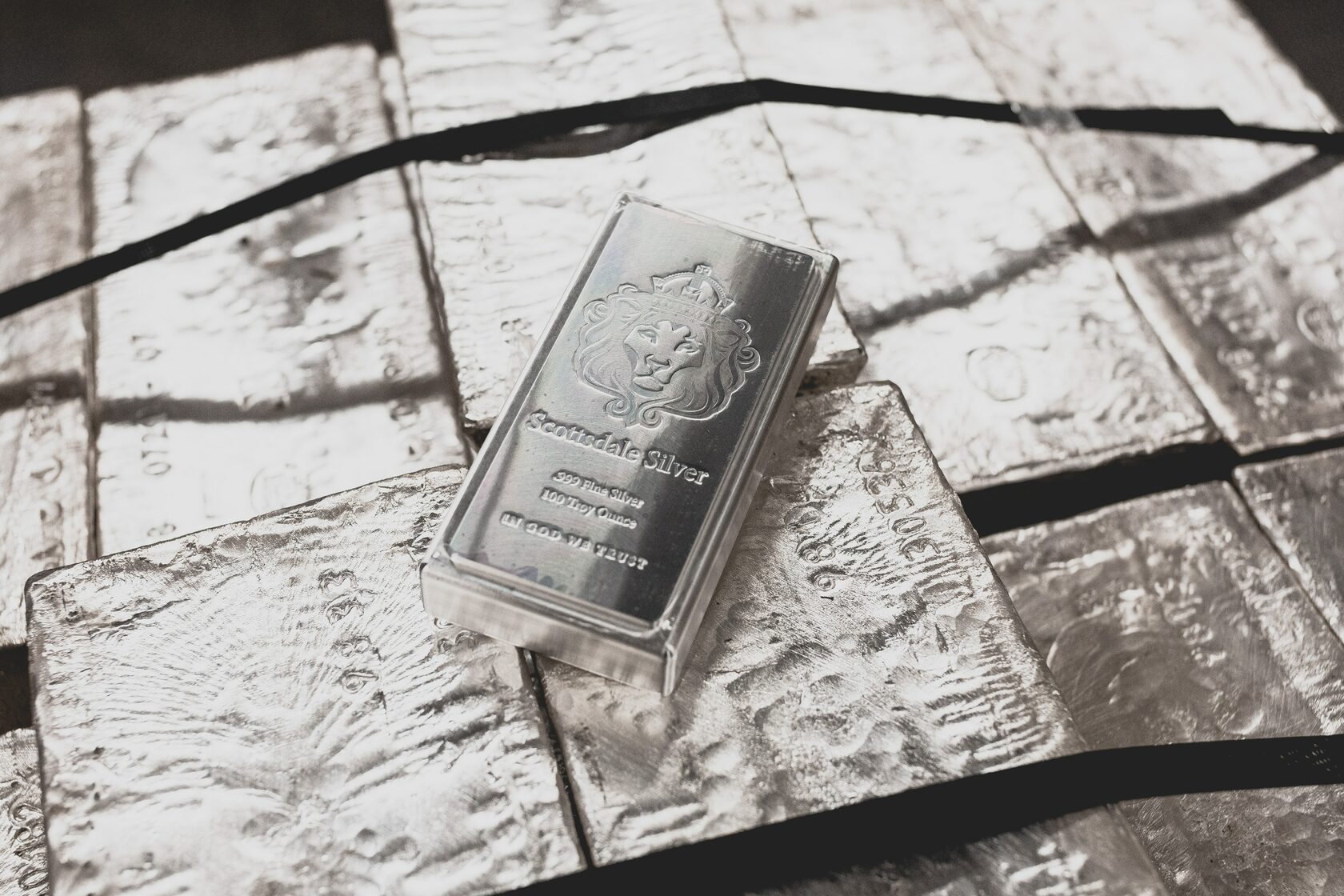
Buying silver as a beginner is not complicated. What is worth separating are two different questions: where to find the metal, and what French law asks of you the day you sell a piece.
Where to find the metal
1. Jewellery suppliers. Online or in a shop, they sell silver as grain, sheet and wire. For casting, grain is the most practical: you can weigh it out to the gram and it loads into the crucible without any fuss.
2. Bullion. A bank or a specialist dealer will sell you a silver bar. That is 999 — you will have to alloy it before you can work with it.
3. Scrap. Old cutlery, broken silverware, offcuts bought from another maker. It is the cheapest route and the riskiest one for a beginner: you know neither the real fineness nor what else is in the alloy. Leave it for later.
4. Your own scrap. Filings, sprues, failed pieces — nothing gets thrown away. A closed jar under the bench, and you melt it down again.
How much to keep in circulation
Thirty to forty grams is enough at the start. After that the principle is simple: you sell a piece, you buy back a little more metal. The more silver you have in circulation, the easier the work becomes — you stop waiting for a delivery before starting the next piece.
The finenesses French law allows
French law recognises only three finenesses for silver work: 999, 925 and 800 thousandths. That is article L832-2 of the code de commerce, in force since 1 July 2025 and readable on legifrance.gouv.fr. Be wary of pages still citing article 522 of the code général des impôts: it has been repealed.
925 is the usual working fineness. If you buy 999, plan on alloying it: one more step, but it makes you independent of ready-made metal.
Hallmarks
A piece sold in France is expected to carry two marks. The first is the poinçon de maître or poinçon de responsabilité — the mark of the professional who made or imported the piece. French customs specify its shape: a lozenge for makers, an oval for importers. The second is the poinçon de garantie, which certifies the fineness.
One useful exception, from the same source: silver items weighing less than 30 grams are exempt from the poinçon de garantie. A great many rings and earrings fall under that line.
For the rest, the douane.gouv.fr portal, in its “Métaux précieux” dossier, lists what is asked of a professional:
- file a déclaration d'existence with the bureau de garantie
- keep a livre de police
- respect the legal finenesses
- mark your work with the poinçon de maître or de responsabilité
- have the poinçon de garantie applied
The regime is aimed at professionals: French customs describe it as covering those who hold these metals in the course of their professional activity or who sell them. While you are learning, that is not you — but ask the bureau de garantie before your first sale, not after.
Keep your invoices
The livre de police exists to trace the metal that comes into the workshop and the metal that leaves it. That alone is reason enough to file every purchase invoice from day one.
There is a second, more down-to-earth reason: without invoices you do not know what your gram of silver actually cost you. And if you do not know that, you do not know what to sell for either.
The rest you learn by working. Start with a little metal, melt it, ruin it, melt it again — the silver itself does not disappear.
One last note: this article is written by jewelers, not lawyers. The rules quoted are public and dated, but before your first sale have your own situation confirmed by the relevant authority.
Ready to try in practice?
"Jeweller Profession. Beginner" online course