Jewellery craft · 2026-09-30
Tools. What to buy as a beginner jeweller?
List updated in 2026.
Some links on this page are affiliate links: if you buy through them, the school receives a small commission, and the price for you does not change.
This is the list of tools you need first of all — the ones that will let you start the online course "Jeweler Profession: Beginner".
So that you don't have to buy everything at once, we have split the list into two parts: the minimum to start — with it you can get through the first lessons (melting, soldering, sawing, bending) — and buy later — for when you get to flex-shaft work, polishing, wire, stone setting and engraving.
The price level next to each item is approximate, based on European shop prices in 2026:
€ — up to €20 · €€ — €20–100 · €€€ — over €100
The minimum to start
Saw frame€
To begin with, one with a small frame.
But 2 is better:
- with a small frame (for small pieces);
- with a deep frame for large pieces (with a deep frame, blades break more often when sawing small things) — buy this one later.

Where to buy
Saw blades in various sizes€
Preferably Swiss or German: 3/0 — all-round, 4/0–5/0 — for thin sheet (for example Vallorbe, Pike).

Bench pin€€
A wooden wedge that is clamped to the table (preferably one with a small anvil) — you saw and work pieces on it.

Where to buy
Needle files€€
(Cuts can be no. 2, 3, 4)
- triangular (cut no. 3 or 2 or 4)
- square (flat) (cut no. 3 or 2 or 4)
- half-round (cut no. 3 or 2 or 4)
- round (cut no. 3 or 2 or 4).
The most common today are the Swiss Vallorbe and Grobet; a cheaper option is a set from another maker (€). Diamond needle files are a useful addition for hard materials.

Where to buy
Files€€
- Square (flat, cut no. 6, 2, 3)
- Half-round (cut no. 2, 3)

A set of pliers€€
(for example Klein Germany or Beadsmith — smooth jaws without serration, 120–130 mm)
The main ones:
- round-nose pliers
- flat-nose pliers
- snipe-nose pliers
Only the ones shown in red in the photo:

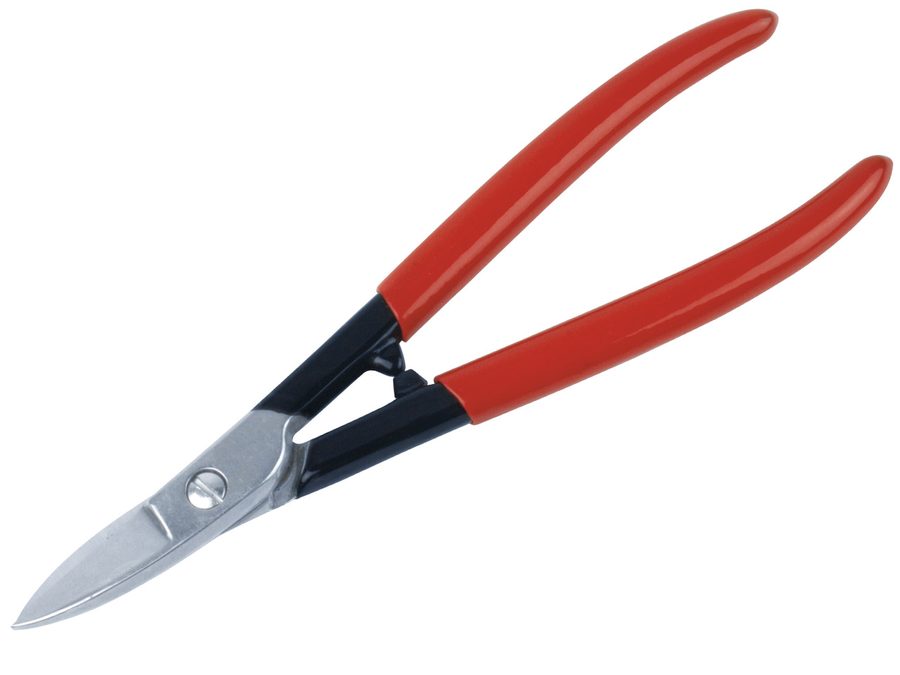
Shears€
For example straight metal shears, 170–180 mm, the version without a spring is fine. Rockwell-Solingen shears aren't sold in Europe or Ukraine today, so we suggest alternatives.
Where to buy
Ring mandrel€€
Several kinds:
First of all round ones, they are the main ones.
To buy later: square, rectangular and oval mandrels.
If you are having them made to order, they must be hardened.

Where to buy
Steel dental hammer€€
10 mm face.

Where to buy
Leather / rubber or nylon mallet€

Where to buy
Ball-pein hammer, 0.5 kg€€

Where to buy
Vernier caliper€

Where to buy
A propane gas cylinder
To begin with, use propane only. Some jewellers work with oxygen as well, but it is more dangerous.
The cylinder is bought locally — it cannot be sent by post.
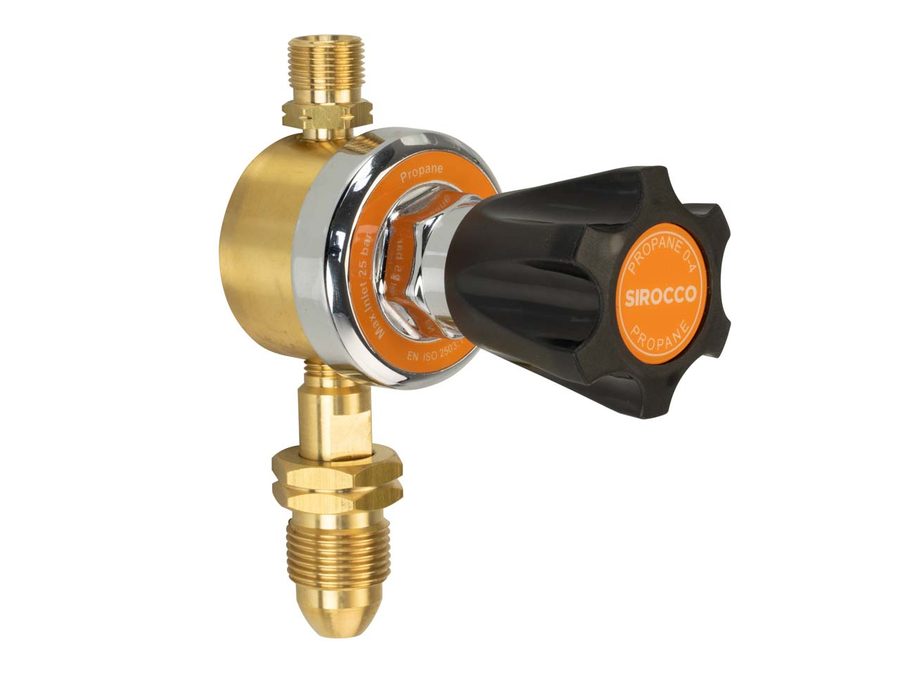
Regulator€€
Buy one to fit the cylinder of your own country: the valve thread is different in every country, so the simplest thing is to buy the regulator in the same place as the cylinder.
Where to buy
- Cooksongoldcheck it fits your cylinder
Gas torch€€
Torches — for example the Polish-made "Termet" ones are sold as a set of 4 or 5 torches, but in practice you use 2: a large flame for melting and a small one for soldering.
You can see them at minute 01:52 in this video →
Termet has been discontinued; the same set is now made by the Polish Kormet, sold in Poland and Ukraine. In Europe and the USA a similar option is a propane torch with interchangeable nozzles (Sievert, Rothenberger).

Where to buy
By the way, subscribe to our YouTube channel.
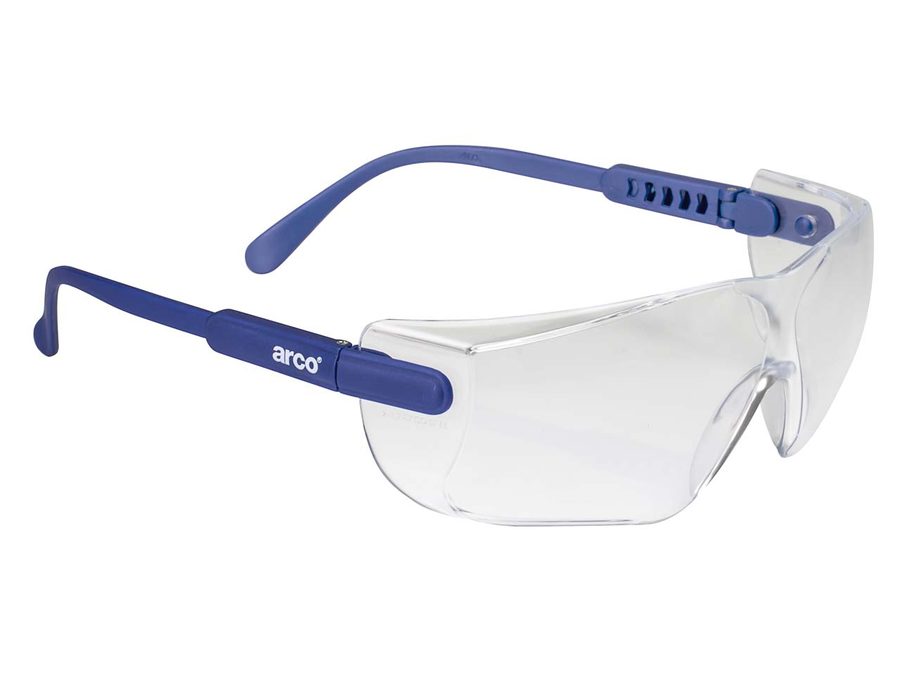
Safety glasses€
When soldering, melting, working with the flex-shaft and pickling.
Where to buy
Titanium tweezers for the pickle€

Where to buy
Ordinary steel tweezers€

Where to buy
Lancet (cross-lock, self-closing soldering tweezers)€
A video by Stanislav Volskyi on how to make a lancet yourself 👇
A ready-made lancet can also be bought — get one with insulated handles.

Where to buy
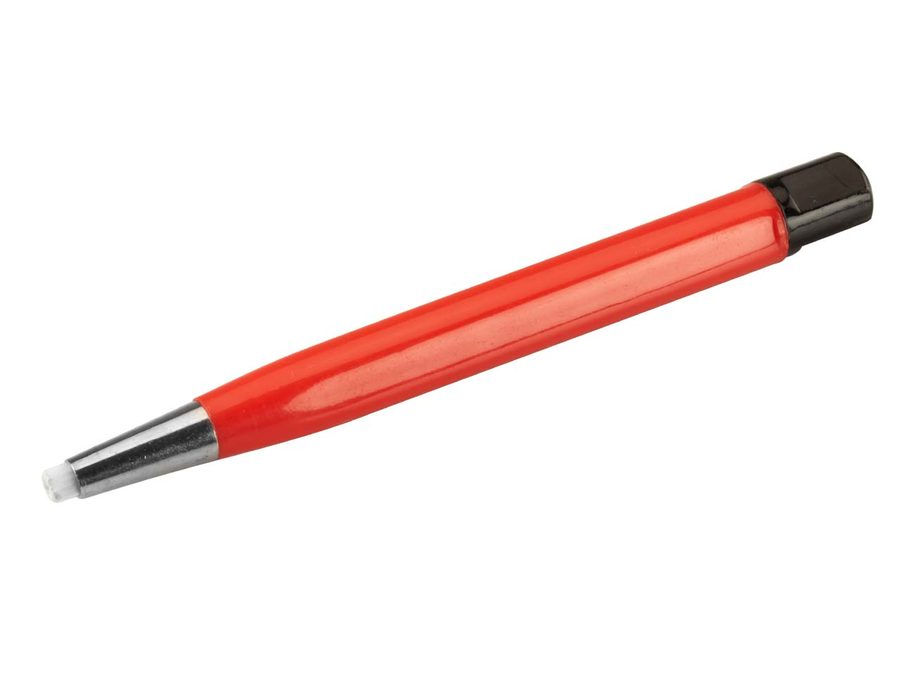
A glass-fibre brush (it doesn't burn), for wetting the joint with flux€
To start using a new brush you have to set the tip alight, let the binder burn off, put it out and rinse it.
Ceramic crucibles€
It is strongly advisable to have separate crucibles for each metal.
One crucible for gold and another for silver.
A separate crucible is particularly needed for brass. Brass contains a lot of zinc, which changes the molecular structure, and if brass gets into silver or gold they become brittle.
The crucible contains silicon and carbon; if they get into the metal we melt in it, the metal will become brittle. To stop the molten metal touching the crucible walls, you must coat the walls with a film of borax.
A video showing how to glaze a crucible with borax

Where to buy
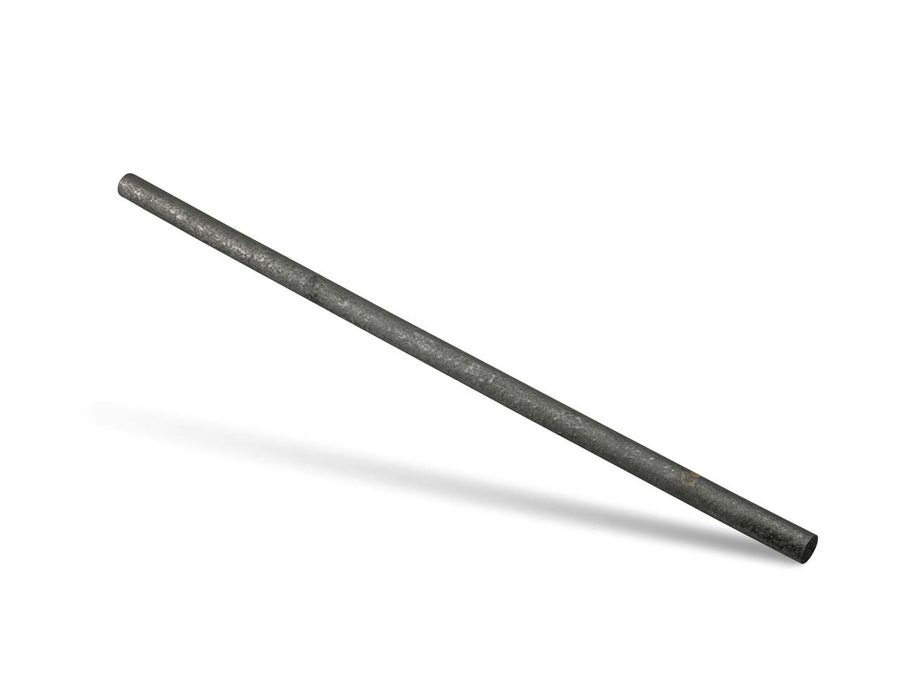
A rod for stirring the metal while melting€
The options:
- A nichrome rod.
- A quartz rod — you can cut one from quartz sheet (look in chemistry suppliers, they stir acids with them).
- Ceramic ones rated above 1000° — an alundum rod.
- A titanium rod.
These are the options a craftsman works with, and some of them are hard to find. The most accessible today is a graphite rod, available in every jewellery shop.
Jeweller's ingot mould€€
Vertical, adjustable, for round ingots (of various sizes) and for a sheet ingot.

Where to buy
Buy later
Flex-shaft€€€
For example Foredom SR with an H.30 handpiece and a foot pedal (for Europe and Ukraine — the 230 V version) or a Strong / Marathon micromotor.

Where to buy
Foredom
- Amazon115 V — for the US
- Cooksongold220 V, UK plug
- Pepetoolsaffiliate link · 10% off with code JEWELRYARTEDUCA
Strong
Marathon
- Cooksongold220 V, UK plug
A review of flex-shafts by one of the members of the Telegram chat JAE • Jewellers' Community:
Foredom
A good machine overall: you can work on small jewellery as well as quite massive pieces weighing a kilo. Simple to use, easy to maintain and repair; parts for repair or replacement are inexpensive and easy to swap.
Pros: a fairly powerful motor (you can do practically every job with it), a convenient three-jaw chuck (you can use a large range of attachments with different shank diameters).
Cons: there is a slight runout, and if you work with it for a long time your hand gets tired. The flexible shaft is very limiting, it takes getting used to, it often breaks from heating, and it doesn't like high speeds.
It is not very convenient for small parts or engraving.
Strong
An excellent tool, but in my opinion it is for fine jewellery work.
Pros: small size, low weight, no flexible shaft — only a soft power cable on the handle — and practically no vibration (ideal for precise work). The motor is small but fairly powerful. A convenient quick bur-change mechanism.
Cons: the bur-change mechanism has a catch: it has a collet for one shank size only, 2.35 mm.
The motor is small, and its power is enough for engraving or for small pieces.
Not a beginner's tool: the design is well thought out and well fitted, it needs proper care and handling, there are lots of small parts, and I wouldn't advise repairing or dismantling it yourself. If bearings or anything else need replacing, it is better to take it to a specialist repair workshop. Replacement parts and repairs are expensive.
A similar micromotor that is easier to find in Europe and the USA is Marathon.
Speed — how do you choose it?
For jewellery work, a Foredom with speeds up to 20,000 is fine.
Very high speeds, 20,000+, are needed for high-precision drilling, grinding, polishing and engraving on stone, bone, glass, ceramics, wood, metal and other materials.
How do you use a flex-shaft properly, so it serves you long and doesn't break?
You must not push the pedal all the way down straight away, run it at full speed and only then touch the metal with the bur or drill. At that moment the drill heats up and we are, in effect, annealing it. And that softens the tool — the drill or the bur.
As a result the drill goes soft and can't drill anything. The tip starts to blunt and spread sideways, and the cutting edge of the drill disappears.
You have to make sure the flexible shaft and the handpiece don't overheat.
Dental burs, carbide or steel (not diamond), cutters, rubber abrasive wheels€€
With a 2.35 mm shank.
Of various thicknesses and grits:
- disc-shaped
- conical
- flat
- round

Mandrels for discs, rubber wheels and abrasive papers€
The more variations the better. You can start by buying an assorted (mixed) set.

Where to buy
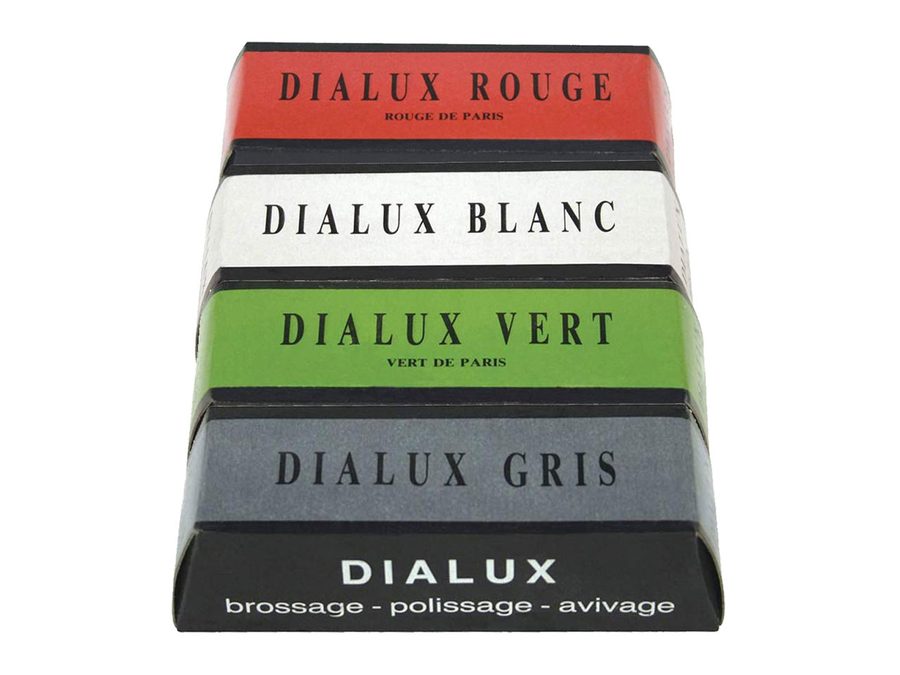
Polishing compound€
Tripoli — for preliminary polishing, and rouge (crocus) — for the final polish, or others available in jewellery shops (for example the Dialux range).
Where to buy
Wheels€
- wool felt
- felt
- muslin
- rubber polishing wheels

Where to buy
Polishing brush€

Where to buy
Draw plate for wire€€
From 0.3 mm to 3 mm.

Where to buy
Ring mandrels: square, rectangular, oval€€
(see "Ring mandrel" above)
Where to buy
Saw frame with a deep frame€€
(see "Saw frame" above)
Where to buy
Gravers€€
Vallorbe (or Grobet): flat, pointed and facet. (The exact codes from the old version are no longer sold.)

Where to buy
Stones for sharpening gravers€€
For example Norton India (coarse and medium) and Arkansas for the final honing.

Where to buy
Bezel pusher for setting stones€

Where to buy
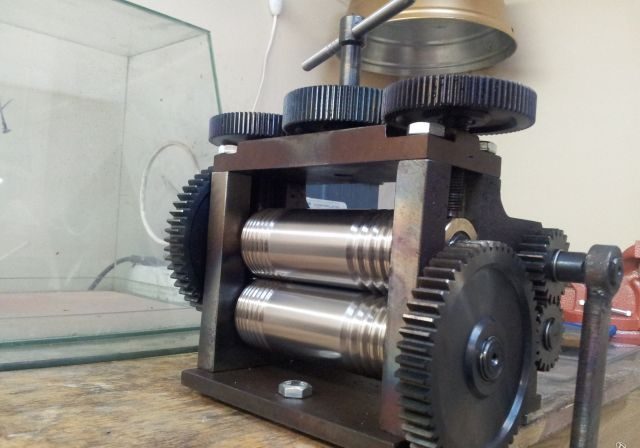
Hand-operated combination rolling mill€€€

Where to buy
- Amazon
- Cooksongold
- Pepetoolsaffiliate link · 10% off with code JEWELRYARTEDUCA
- Durston
How do you choose a rolling mill?
Get a purely mechanical rolling mill, because a motorised one is unsafe.
A motorised mill can very easily catch your clothes or your fingers and leave you disabled. 🤷♀️
Go by the country of manufacture: Germany, England and the USA make decent ones (for example Durston, Pepe). With Chinese ones you have to be careful — sometimes the rollers are not hardened, which makes them weak, and after a few passes they lose their shape.
Mills that only roll sheet are NOT suitable 👇

Get the ones that have grooved profiles. These are fine 👇
The work itself will tell you what you need, and along the way you'll realise what you are missing.
And to try these tools out in practice, come to the online course "Jeweler Profession: Beginner". All the details at the link: jewelryart.education/pjb
The previous version of the article (2023) — in the archive.
Ready to try in practice?
"Jeweller Profession. Beginner" online course