Jewellery craft · 2026-09-17
Which tools to start jewellery making in France
You do not need a complete workshop to start making jewellery. You need about a dozen tools, a source of heat, and something to protect your eyes. Everything else gets bought later, in the order the work itself imposes.
This article separates four questions: what to buy first, what can wait, what you must never buy cheap, and what drives the price. You will not find figures here: they move too fast to be written down.
What to buy first
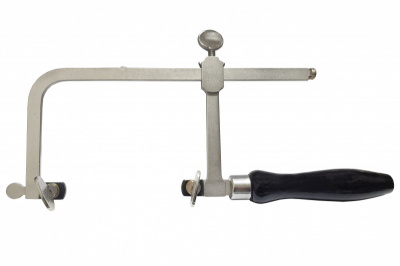
The saw frame and blades. A shallow frame to begin with; the deep frame comes the day you start making large pieces. Swiss or German blades, no. 4 and no. 5 to start, and buy a dozen in advance: breaking is what they do.
Files. Needle files in cuts 2, 3 and 4 — triangular, square, half-round, round — then two hand files, one flat and one half-round. Four well-chosen needle files do more work than a boxed set of twenty.
Pliers. Three are enough: round-nose, flat-nose and fine chain-nose. The jaws must close with no gap, otherwise the wire is marked on every grip.
Shears. For cutting sheet. The spring is optional; what matters is that the blades close cleanly all the way to the tip.
Tweezers. Three pairs: titanium for the pickle, plain steel for everything else, and a self-locking pair to hold work while soldering.
Hammers. A small dental-type steel hammer with a face of about 10 mm; a leather or rubber mallet that shapes without marking; and a round-faced hammer of about 500 g.
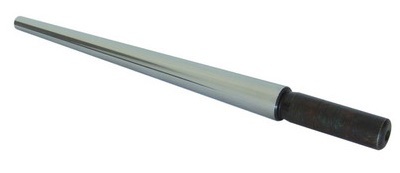
A round ring mandrel. It is the only essential one — square, rectangular and oval can wait. If you work to order, buy it hardened: a soft mandrel takes marks, and your sizes drift along with it.
An ingot mould. Vertical and adjustable, for casting round bars in several sections and a flat plate.
Crucibles. One crucible per metal, and above all one kept for brass: it holds a lot of zinc, and zinc contaminates everything melted after it. Before the first melt, coat the walls with a film of borax.
Vernier callipers. The only measuring instrument you will need for a long time.
A micromotor or a flexible-shaft machine. The heaviest purchase on the list, and the choice turns on details — we come back to it below.
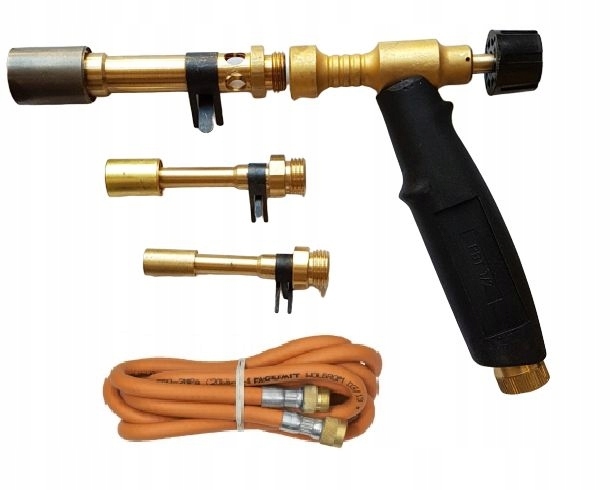
The heat setup. Cylinder, regulator, hose and a torch with several tips. In France this is the part that demands the most attention — not because of the price, but because of the rules.
The gas setup: what France requires
The French order of 23 February 2018 on gas installations in residential buildings settles the question for you. Its article 12 allows cylinders holding less than 16 kg of commercial butane inside a dwelling or its outbuildings. Cylinders holding more than 3 kg of commercial propane, whether connected or not, must be kept outside residential buildings and installed so that the gas cannot get into the dwelling in the event of a leak. The text is on legifrance.gouv.fr.
Be wary of pages still citing the order of 2 August 1977: it has been repealed, and the 2018 text is what applies.
In plain terms: if you are starting out in a flat, your heat setup will run on butane. If you have a house, a yard or a lean-to, propane becomes possible again — but the cylinder stays outside and only the hose comes in.
Cold decides the rest. Butane boils at −1 °C and propane at −42.3 °C (the French INRS CarAtex database). A butane cylinder on an unheated balcony will give you a soft flame on exactly the day it freezes; propane works outdoors all year.
A third thing to remember: both gases are heavier than air — vapour density 2.11 for butane and 1.6 for propane, from the same source. A leak does not rise to the ceiling, it sinks and pools at floor level. That is why a cellar, a basement or a pit are the worst places for a heat setup, and why the soldering bench goes near an opening rather than in a closed corner.
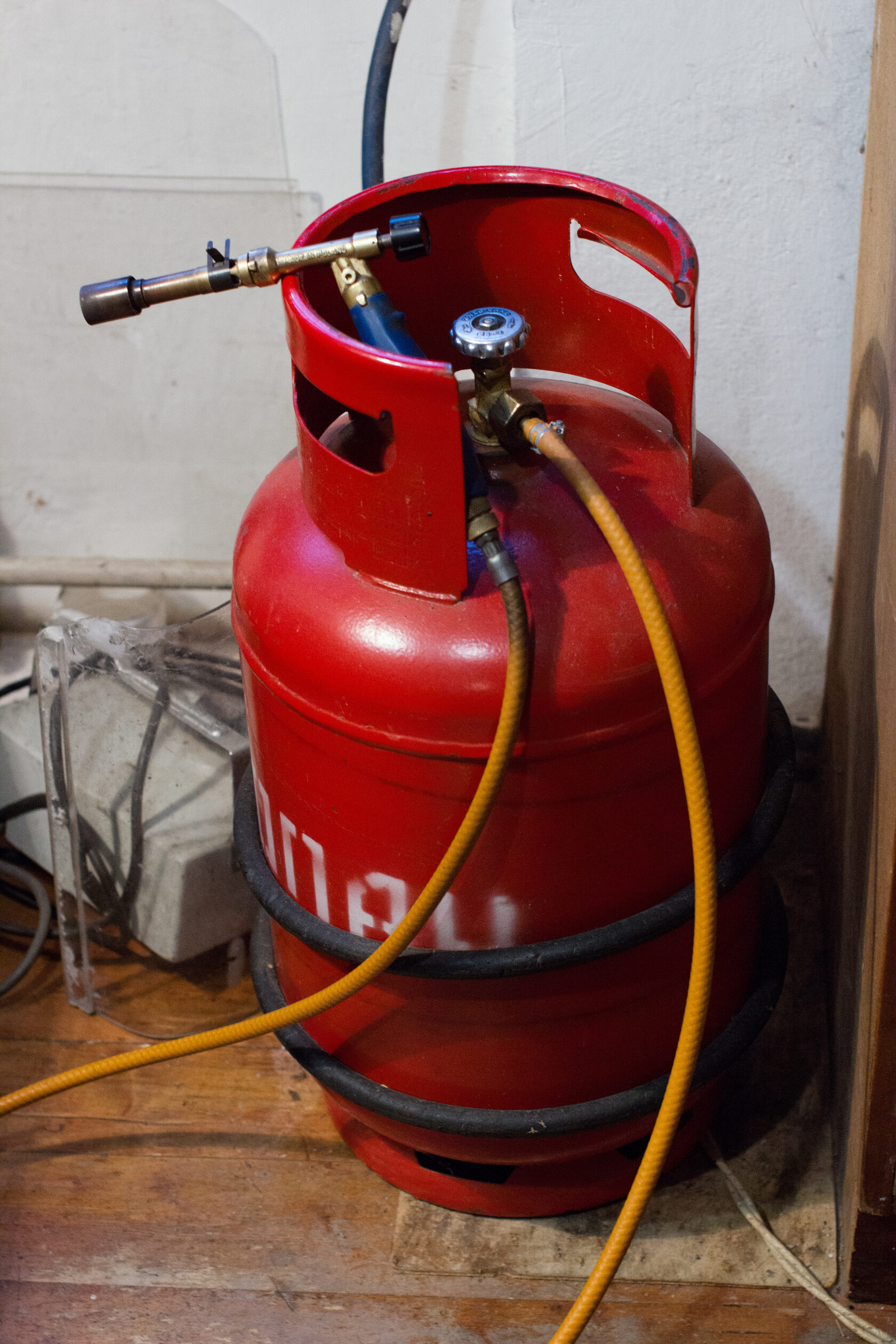
The torch itself: choose a model supplied with several tips, from the finest for a bail to the widest for melting. The regulator must match the gas you chose — a butane regulator is not a propane regulator. The hose gets replaced as soon as it hardens or cracks, without waiting.
What can wait
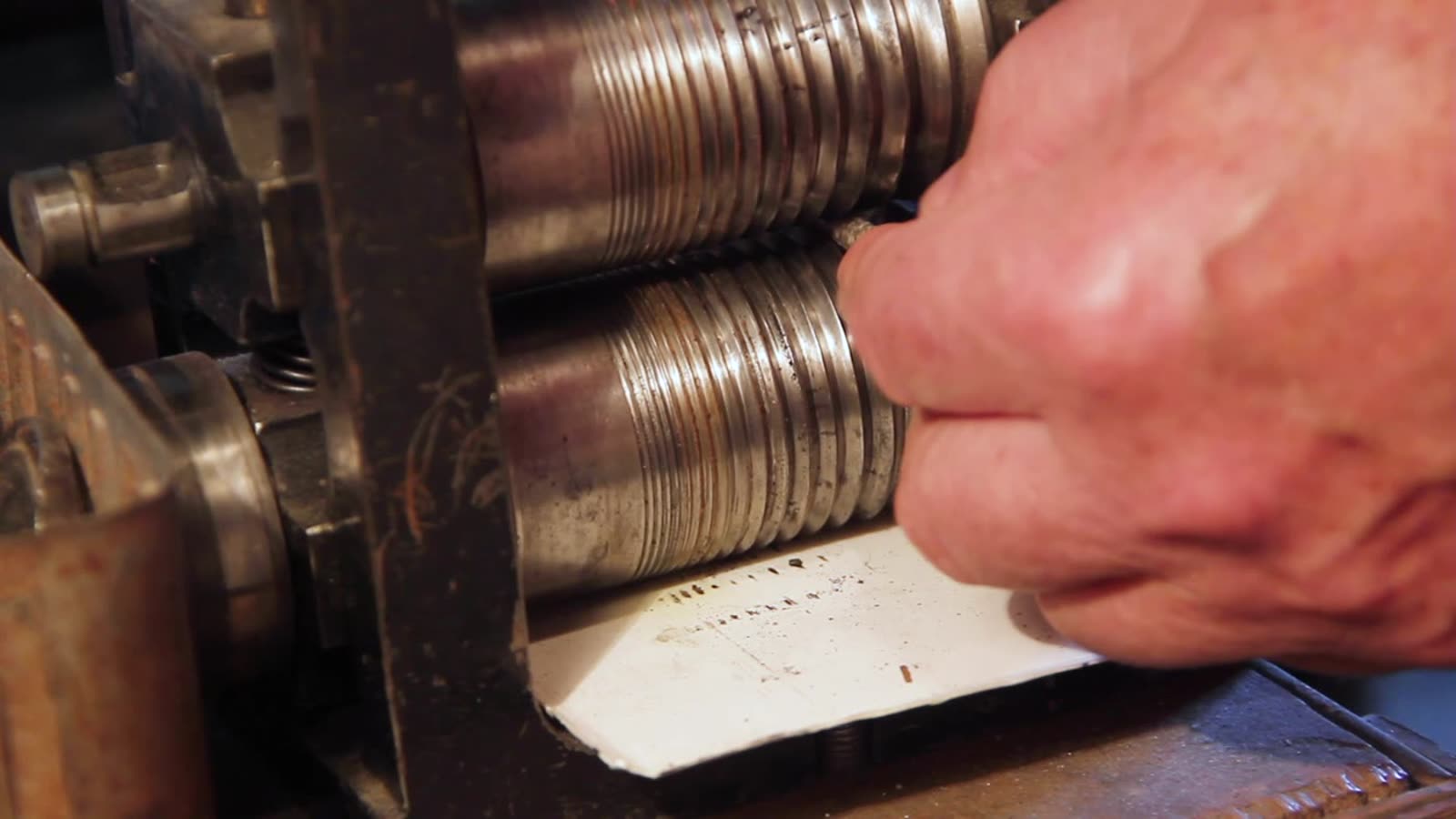
The rolling mill. Useful, expensive, bulky. As long as you buy your sheet and wire ready-made, you will work for months without one.
Gravers. Engraving and stone setting come later. Gravers are bought together with sharpening stones, and sharpening is a craft of its own.
A polishing motor. At the start, felts, cotton discs and rubber wheels mounted on the micromotor are enough. A bench polisher becomes useful once you have several pieces a week to finish.
The deep saw frame, shaped mandrels, the second set of files. All of it gets added the day a specific piece of work demands it — not before.
What you must never buy cheap
Eye protection. Safety glasses are personal protective equipment, and Regulation (EU) 2016/425 is explicit: the CE marking is affixed visibly, legibly and indelibly (article 17), the instructions must be drawn up in a language easily understood by the user, and the EU declaration of conformity is supplied with the equipment (article 8). Glasses with no marking and no instructions are not cheap glasses: they are not protective equipment at all.
Everything touching the gas. Regulator, hose, clamps, fittings. It is the one part of the workshop where saving money is paid for in an accident.
The rolling mill, on the day you buy one. Manual only: a motorised mill gives you no time to pull your fingers out. And never a plate-only model — get one with grooves for profiles, or you will buy it twice.
Saw blades and files. They are consumables, so people assume they are interchangeable. A soft blade snaps at an angle and scores the piece; a soft file goes smooth in a month and stops cutting — it polishes, which is not the same thing.
What drives the price
We give no figures, but what drives them is stable: the quality of the steel and its hardening (files, gravers, mandrels), the presence of a motor and its power (micromotor, rolling mill, polisher), mechanical precision (the play in a chuck, the parallelism of the rollers), and whether a tool is a consumable or not.
Two practical consequences. Second-hand is excellent for anything heavy and mechanical: a well-made rolling mill bought used beats a cheap new one. And second-hand is bad for anything that wears out: a used file is a finished file.
What our students actually use
Two families of machine keep coming back. The flexible-shaft machine, Foredom type: a powerful motor, a three-jaw chuck that takes shanks of different diameters, comfortable on heavy work. Its drawbacks: a slight run-out, and a flexible arm that restricts movement and breaks when it overheats.
The other is the micromotor with the handpiece on the wrist, Strong type: small, light, no flexible arm, almost no vibration — this is what you want for fine work. Its drawbacks: a single shank diameter, 2.35 mm, and expensive spare parts.
On speed: up to 20,000 rpm covers all ordinary jewellery work. Above that is for precision drilling, sanding, polishing and engraving. And the rule Stanislav repeats to every intake: never floor the pedal in one go. The drill heats up, loses its temper, goes soft — and you are left with a piece of wire in the handpiece. You bring the speed up gradually, and you keep an eye on the arm and the handpiece not overheating.
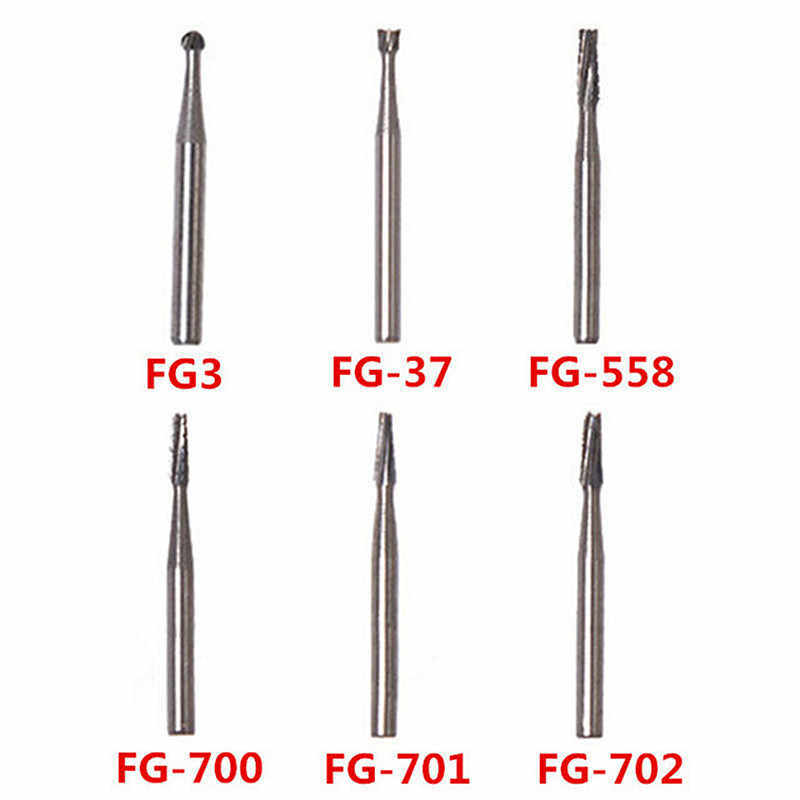
For burs: steel dental burs, not diamond — disc-shaped, conical, flat, round. The more different disc holders and rubber-wheel mandrels you own, the freer you are.
Two small things that appear on no tool list and get used every day. A glass-fibre brush: it does not burn, and it is what you use to wet the joint with flux; when new, burn off the tip, let the binder go, put it out and rinse it. And a rod for stirring molten metal: nichrome, quartz, alumina for high temperatures, or titanium.
And finally, a closed jar under the bench. Filings, failed pours, wire offcuts: nothing is thrown away, everything is melted again.
The list above fits in two drawers. It is enough for the first year and enough to start a course. The rest the work will tell you: a tool is only bought well on the day you know exactly what you are asking of it.
One last note: this article is written by jewelers, not lawyers. The rules quoted are public and dated, but for your own gas setup have your situation confirmed by a gas professional or by your insurer.
Ready to try in practice?
"Jeweller Profession. Beginner" online course