Jewellery craft · 2023-12-22
Tools. What to buy as a beginner jeweller?
This is a list of the tools you'll need first, so you can start learning on the "Jeweller Profession. Beginner" online course.
Rotary tool
For example, the Foredom CC-30, an original Foredom, or a K.SRH440-22 FS.
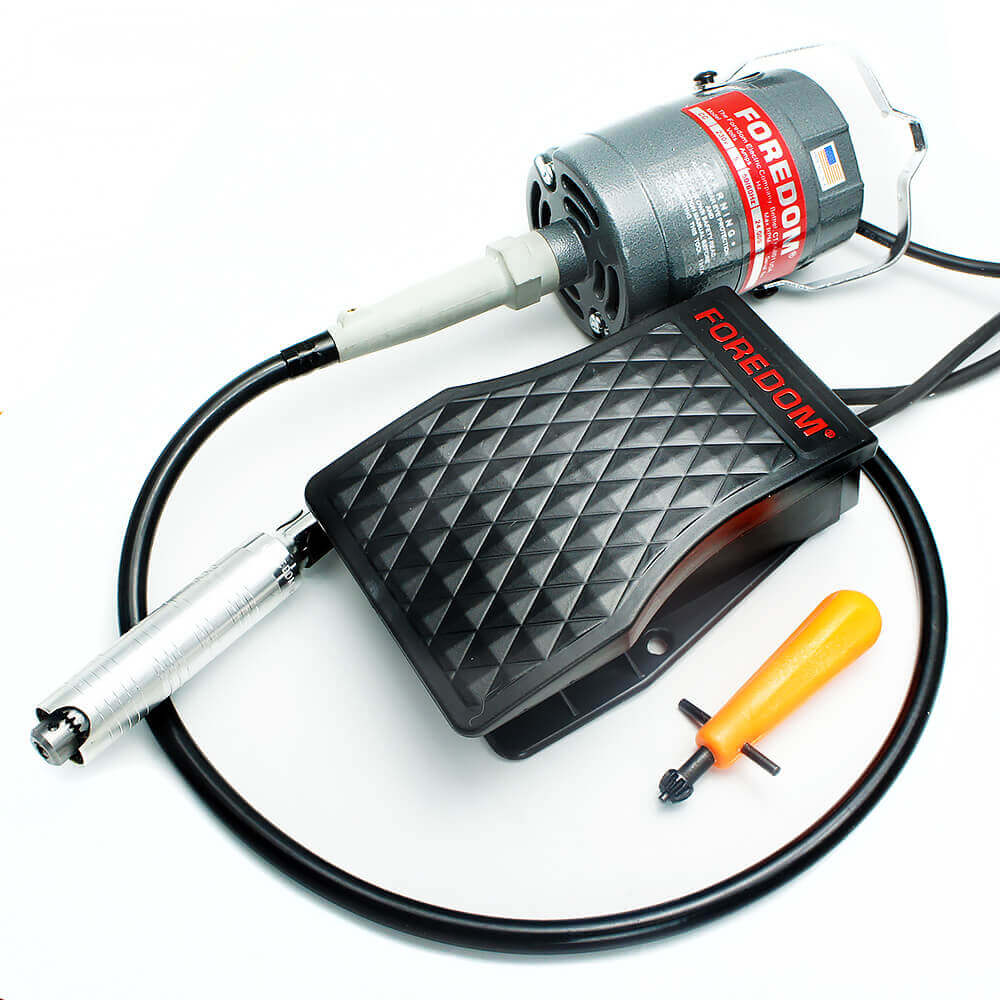
Foredom — a solid machine that handles both small jewellery and bulkier pieces. Pros: a powerful motor, a comfortable three-jaw chuck. Cons: slight runout, and the flexible shaft restricts movement and often breaks from overheating.
Strong — an excellent tool for fine jewellery work. Pros: small and light, no flexible shaft, almost no vibration. Cons: the bit-change mechanism only fits a 2.3 mm shank, and replacement parts are expensive.
Choosing the right speed
For jewellery work, a Foredom running up to 20,000 RPM is fine. Much higher speeds (20,000+) are needed for high-precision drilling, grinding, polishing and engraving.
How to use a rotary tool correctly
Don't press the foot pedal all the way down right away — the bit heats up and softens. Keep an eye on the shaft and handpiece so they don't overheat.
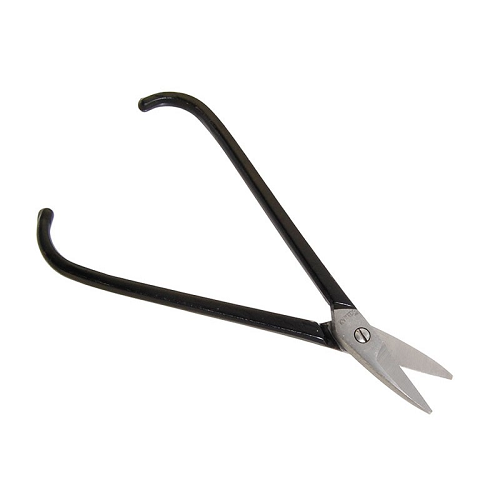
Shears
For example "Rockwell-Solingen"; a version without a spring works too.
Tweezers
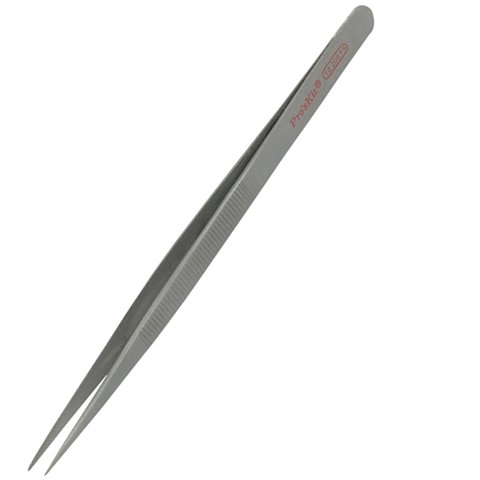
A titanium tweezer for pickling. A regular steel tweezer. A soldering lancet (self-locking tweezer).
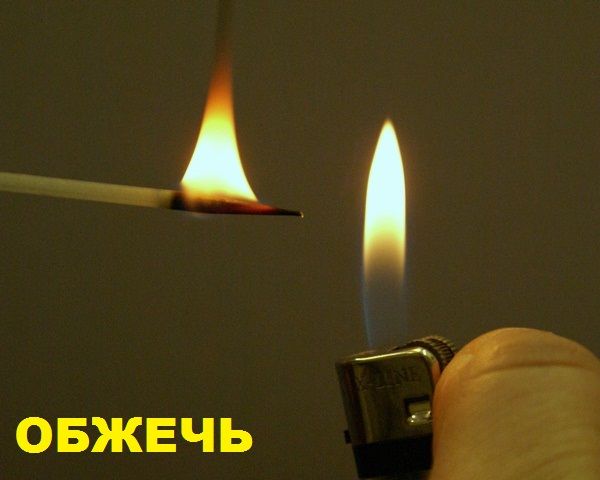
Fibreglass brush
It doesn't burn, and is used to apply flux to a solder joint. Before using a new brush, burn the tip to remove the binder, then extinguish and rinse it.
Stirring rod for melting metal
- Nichrome rod
- Quartz rod (found in chemistry-supply shops)
- A ceramic (alundum) rod rated above 1000°
- Titanium rod
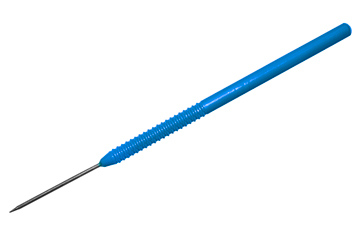
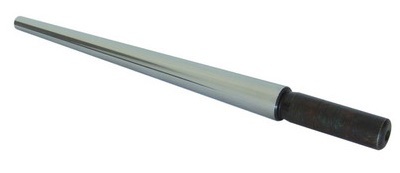
Draw plate stock (rigel)
Start with round — that's the main one. Buy square, rectangular and oval later. For commissioned work, they must be hardened.
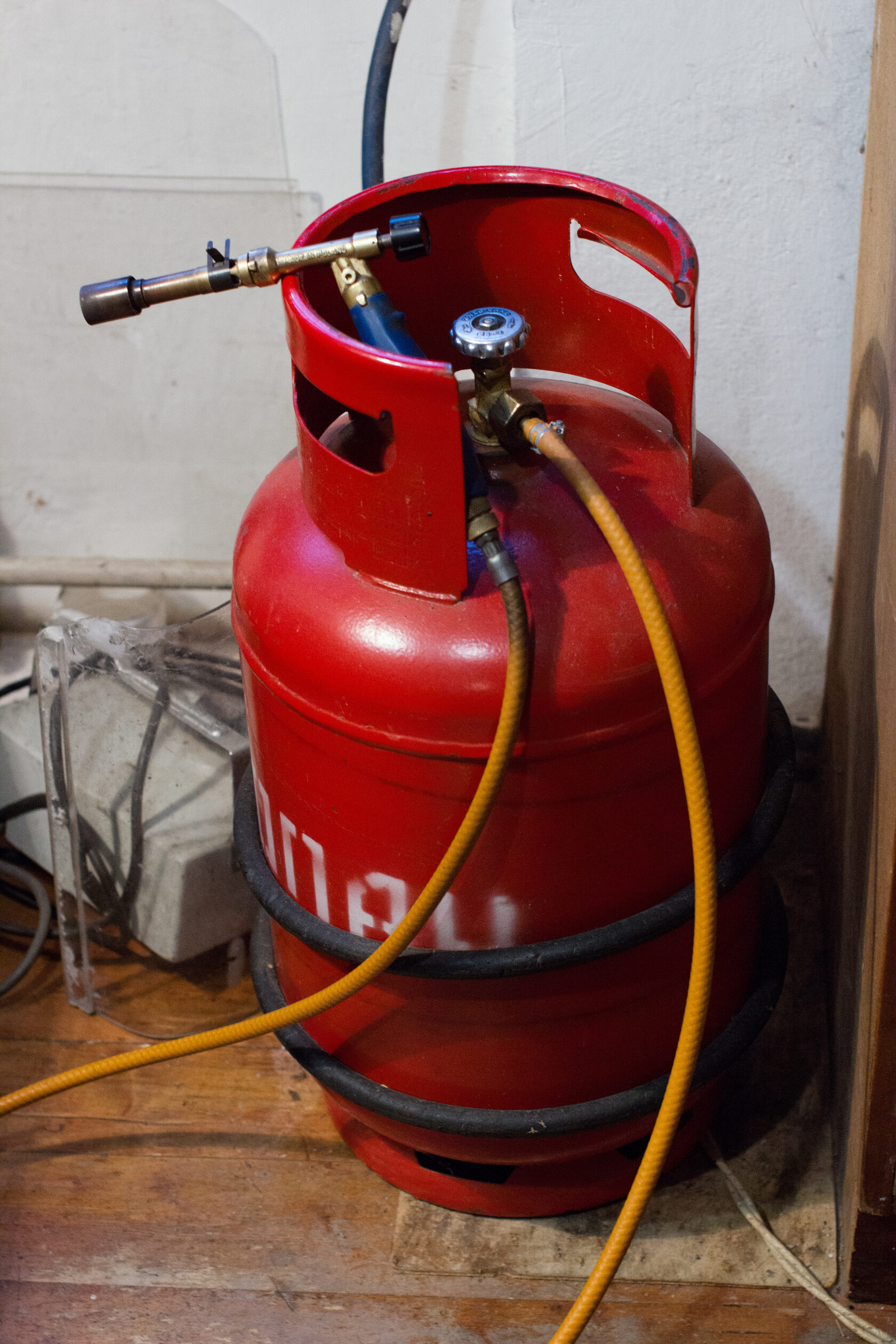
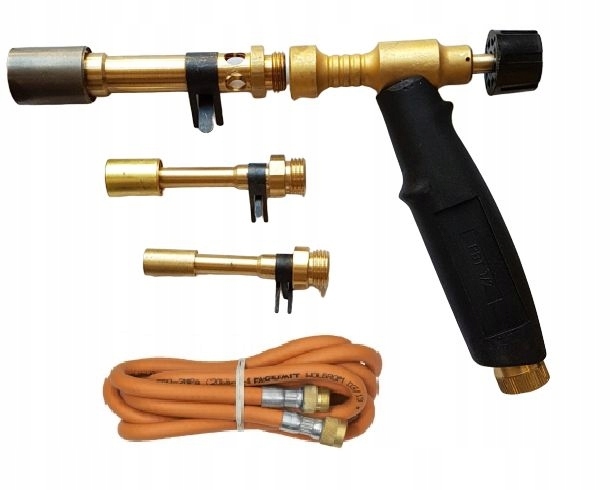
Gas cylinder and torch
Calipers. A propane gas cylinder (start with propane only). A regulator. A gas torch — for example, the Polish "Termet", which comes with 4-5 tips.
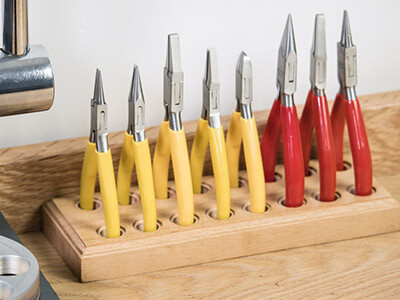
Pliers set
For example, Antilope brand. The main ones: round-nose pliers, flat-nose pliers, chain-nose pliers.
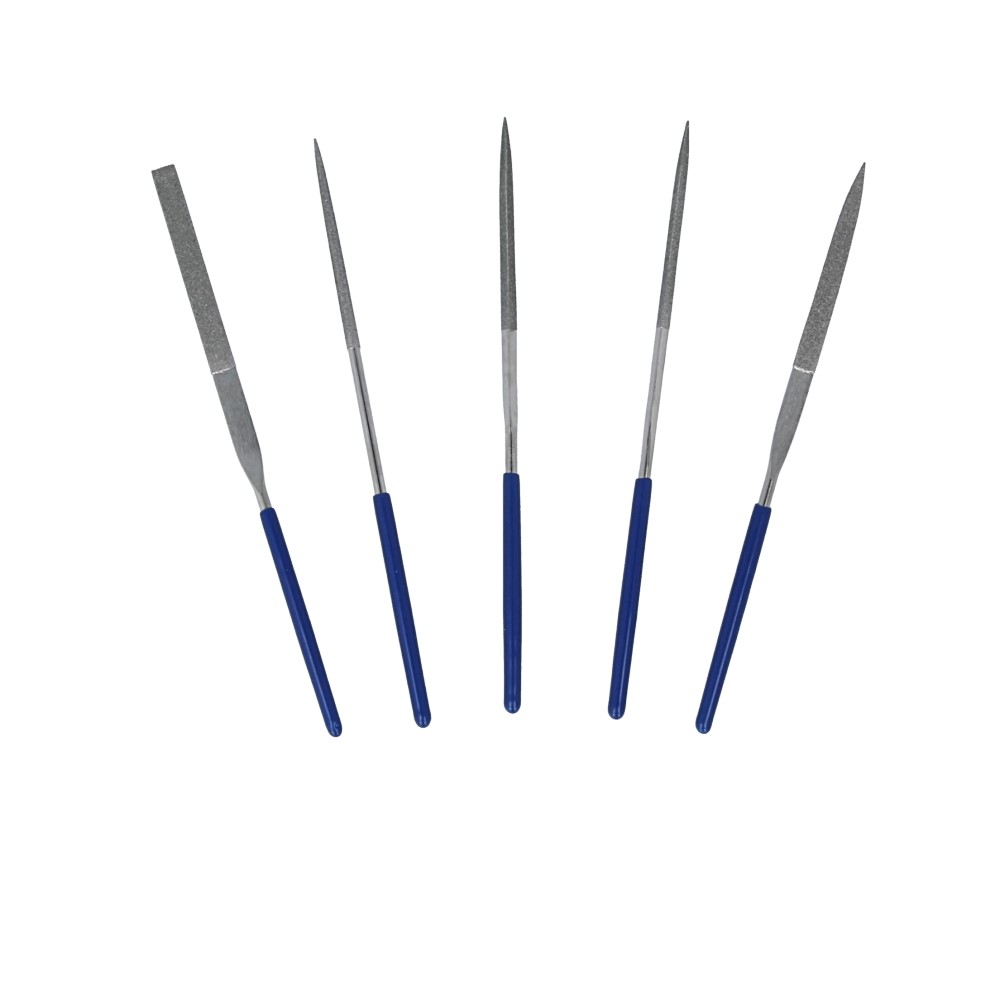
Needle files and files
Needle files (cut #2, 3, 4): triangular, square, half-round, round. Files: square (flat, cut #6, 2, 3), half-round (#2, 3).
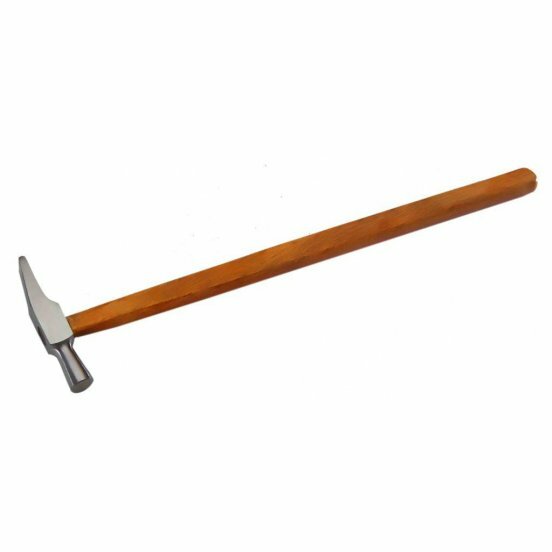
Hammers
A steel dental hammer (10 mm face). A leather/rubber mallet. A 0.5 kg round-face hammer.
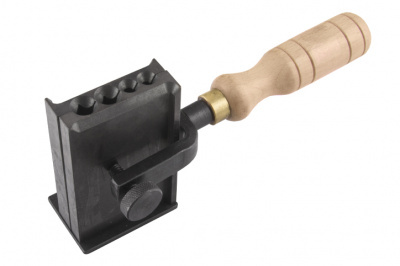
Ingot mould
A vertical, adjustable mould for round ingots (various sizes) and flat-bar ingots.
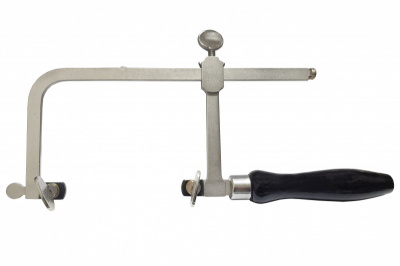
Jeweller's saw
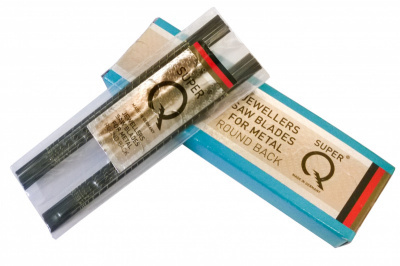
Start with a small-frame saw. It's better to have two: a small frame (for small pieces) and a deep frame (for larger pieces). Blades — Swiss or German, #4 and #5.
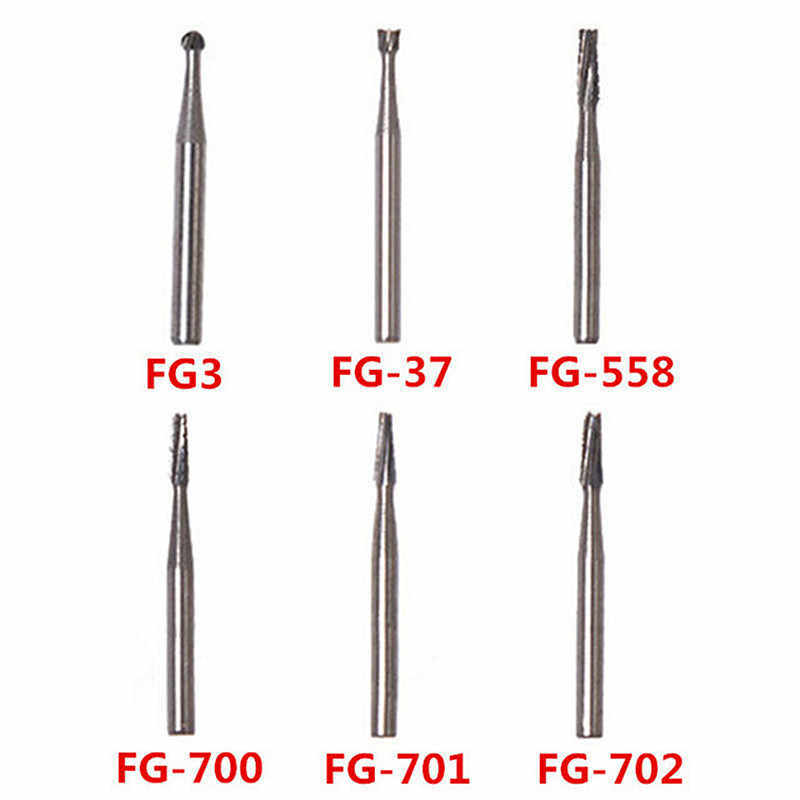
Burrs, cutters, abrasive wheels
Steel dental burrs (not diamond): disc-shaped, cone-shaped, flat, round. Holders for discs and abrasive wheels — the more variety, the better.
Polishing
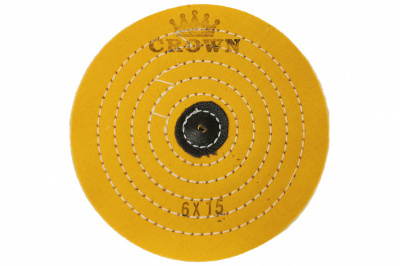
Green rouge polishing compound (a red "Crocus" compound also works). Wheels: felt, muslin, rubber. A polishing brush.
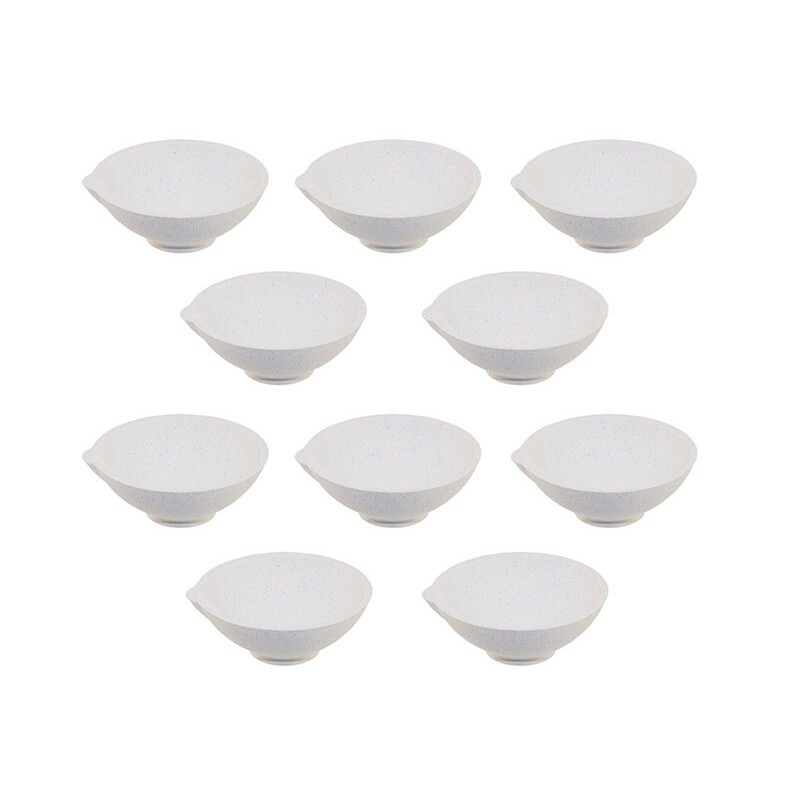
Ceramic crucibles
Use a separate crucible for each metal. This especially applies to brass (high zinc content). Always coat the crucible walls with a layer of borax.
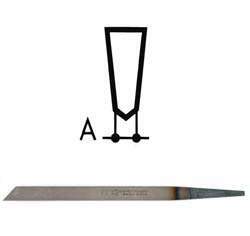
Gravers
Vallorbe Flach LO-0401-18 WS-80, Vallorbe Spitz LO-0403-3/0 WS-80, Vallorbe Facetten LO-0405-14 WS-80. Plus sharpening stones.
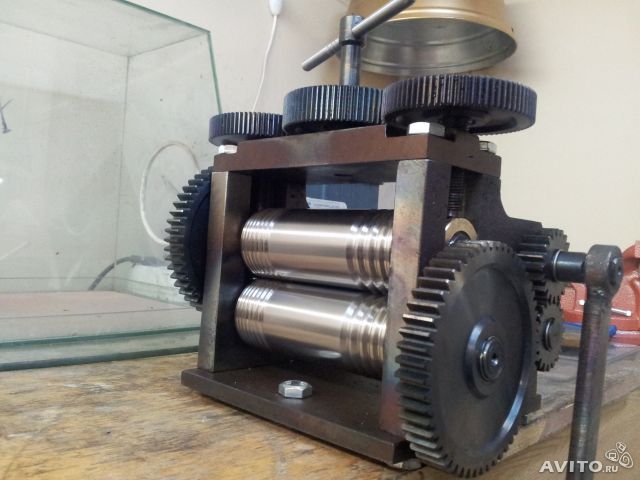
Combination hand rolling mill
Mechanical only — powered ones are dangerous. Look for makers in Germany, England or the USA. Skip mills that only roll flat stock — get one with several profiles.
The work itself will tell you what you need — you'll see what's missing as you go.
Ready to try in practice?
"Jeweller Profession. Beginner" online course